Whales Around Iceland – Researchers’ Night Exhibition
The waters around Iceland are home to a rich variety of whale species, each remarkable in its own way. In recent years, research on the behavior and ecology of these fascinating marine mammals has advanced rapidly, providing deeper insights into their lives. Whales spend about 90% of their lives underwater, which poses major challenges for researchers. However, technological progress over the past decades has greatly expanded the possibilities for whale research.
One particularly successful method has been the use of underwater acoustic recordings, as whales rely on sound for their daily activities. In the deep sea, sound enables them to perceive their environment, navigate, and communicate. This approach has significantly increased our knowledge of whale behavior in Icelandic waters. For example, it has revealed the complex songs of humpback whales during their winter breeding season, the unique call signatures of killer whales—some of which have only been recorded off Iceland—and the responses of deep-diving whales to ocean noise.
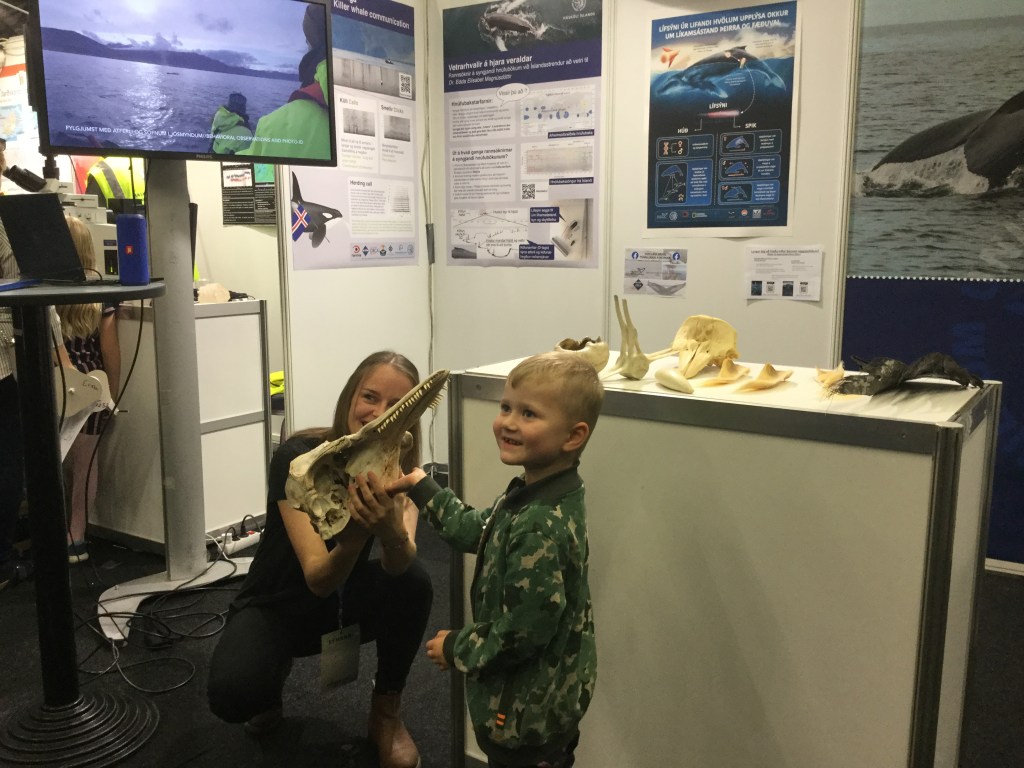
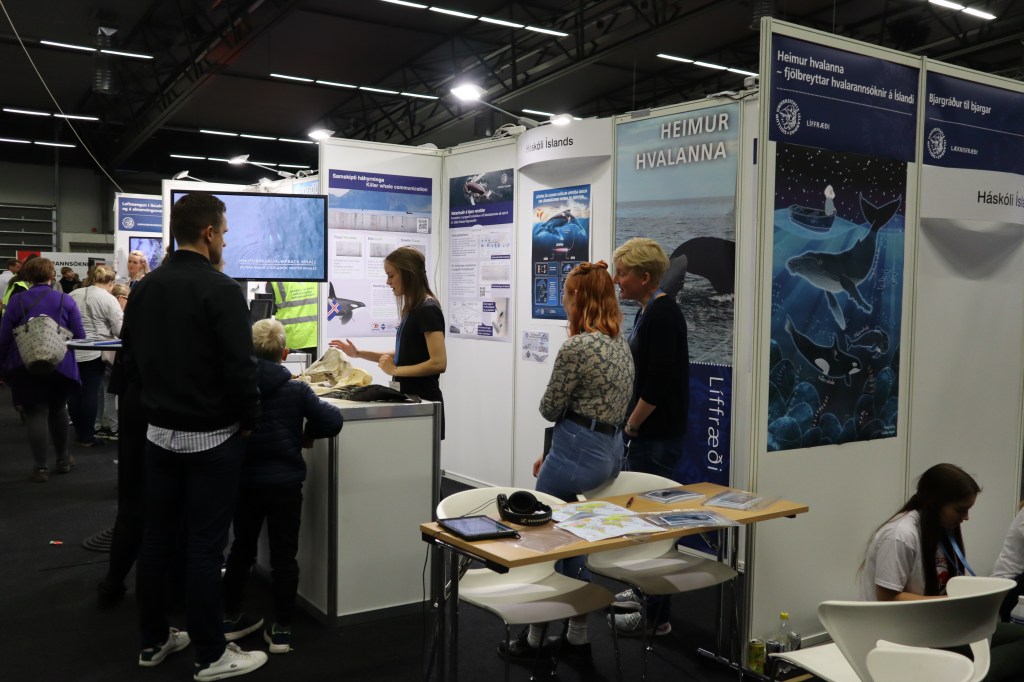
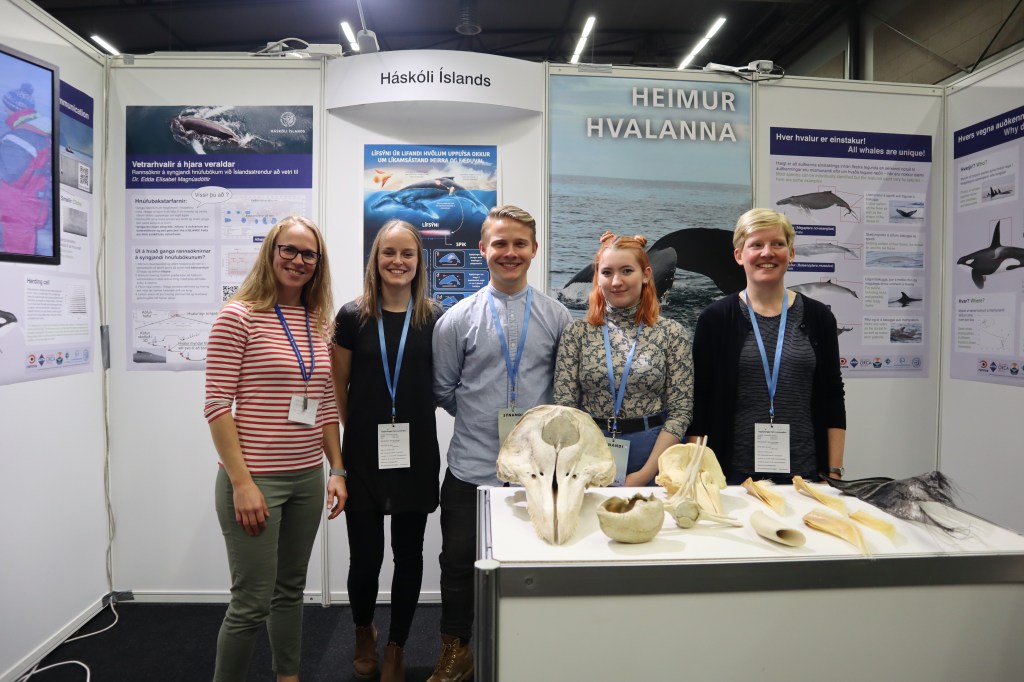
At the exhibition in 2018 and 2019, we presented a range of exciting whale research projects currently underway at the University of Iceland and the Marine and Freshwater Research Institute. Visitors had the opportunity to listen to whale sounds, examine biological samples, solve whale science puzzles, and more.


Vidubiology – Visual Media in Biology Education
Research on teaching practices in Iceland shows that practical and outdoor learning are often underutilized methods, partly due to limited resources available to teachers. To address this, new teaching materials are being developed under the European project Vidubiology. The project aims to increase engagement and understanding of diverse student groups in the life sciences.
Through visual media, students use recording technology to explore and communicate biological phenomena. By creating short videos around specific tasks, they focus on a defined subject and have the opportunity to explore it in a playful and creative way. At the same time, students learn to think and work like scientists, gain experience with technical equipment, examine visual language, and reflect on the topics they are studying.
Examples include observing how a spider spins its web, how trees change their foliage in spring and autumn, how a snail eats a cucumber, or how mold grows on a slice of bread – turning something once considered “gross” into a fascinating subject of study.
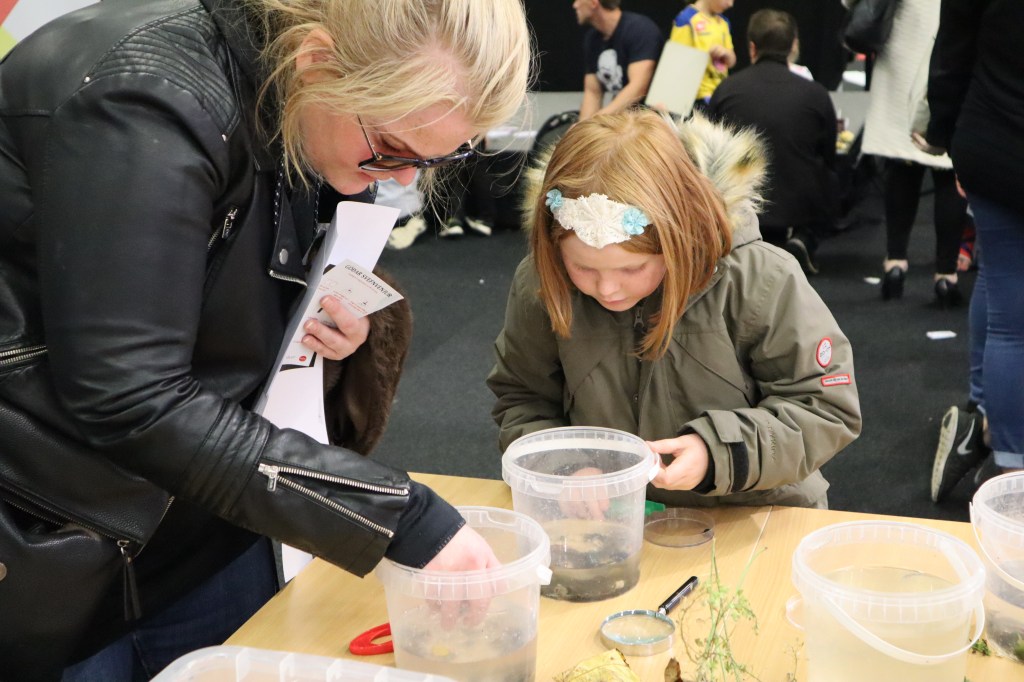
At our booth, visitors were invited to try visual media themselves by making short videos about small animals and other biological subjects provided on site.


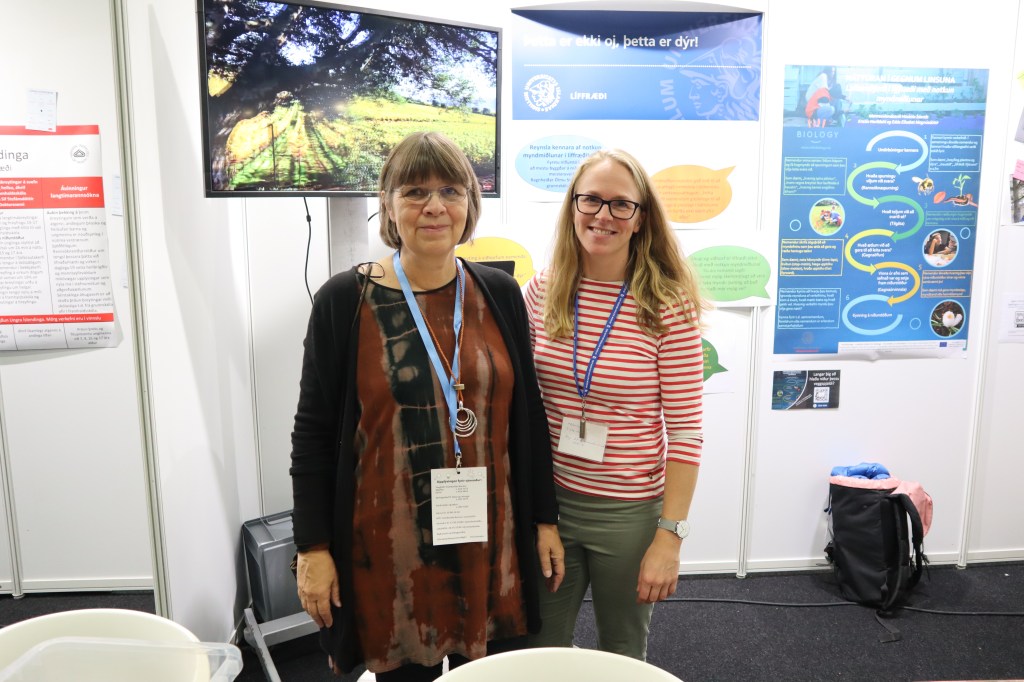


 Edda Elísabet Magnúsdóttir, PhD